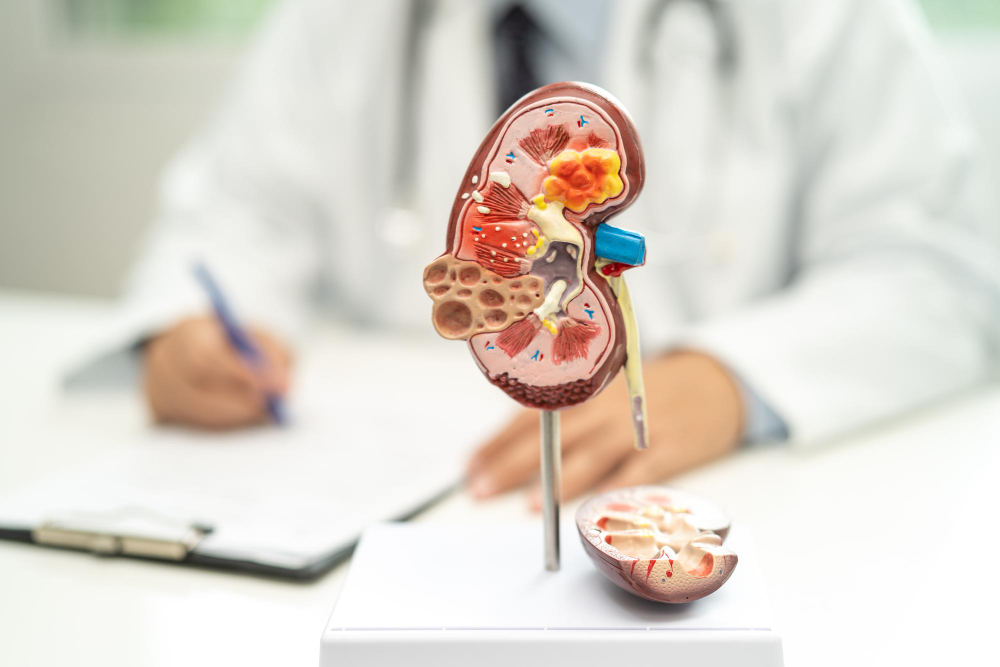
What is Chronic Kidney Disease (CKD)?
Chronic kidney disease, or CKD, means your kidneys are not working as well as they should. Over time, this can get worse. Because kidneys help clean your blood and remove waste, CKD can affect your whole body. Early stages may not show clear signs. However, with the right care, you can slow down the disease. Chronic kidney disease management is important for your health and well-being.
Common Symptoms of CKD
CKD often develops slowly. At first, you may not notice any symptoms. But as the disease gets worse, you might see changes. For example, you may feel more tired than usual. Also, you could notice swelling in your legs or feet. Here are some common symptoms:
If you notice any of these signs, talk to your doctor. Early action can help manage CKD better.
Causes and Risk Factors
Many things can lead to CKD. Most often, high blood pressure and diabetes are the main causes. But there are other risk factors as well. For instance, family history can play a role. Age is also a factor, as CKD is more common in older adults. Here are some common causes and risks:
Because some risks can be controlled, healthy choices matter. For example, managing blood pressure and blood sugar helps protect your kidneys.
How CKD is Diagnosed
Doctors use simple tests to check for CKD. First, a blood test measures how well your kidneys filter waste. This is called the eGFR test. Next, a urine test checks for protein or blood. Sometimes, doctors use imaging tests to look at your kidneys. If needed, they may suggest more tests. Early diagnosis helps with better chronic kidney disease management.
Effective Management Strategies
Managing CKD means taking steps to slow the disease and protect your health. Your doctor may suggest several options. For example, you may need medicine to control blood pressure or diabetes. Diet and lifestyle changes are also important. Here are some key strategies:
Because every person is different, your doctor will create a plan just for you. Following this plan can help you feel better and slow CKD.
Prevention Tips for CKD Progression
Even if you have CKD, you can take steps to keep it from getting worse. For instance, regular check-ups help spot problems early. Here are some tips to prevent CKD from progressing:
Because prevention is key, these steps can help you manage CKD and protect your kidneys.
When to See a Nephrologist
A nephrologist is a doctor who specializes in kidney care. You should see a nephrologist if your doctor finds signs of kidney problems. Also, if you have diabetes or high blood pressure, regular visits can help. Here are some reasons to see a nephrologist:
Because early care from a kidney specialist can make a big difference, do not wait if you have concerns.
Conclusion
Chronic kidney disease management is important for your health. With the right steps, you can slow CKD and feel better. For personalized advice on managing chronic kidney disease, consult a nephrologist.