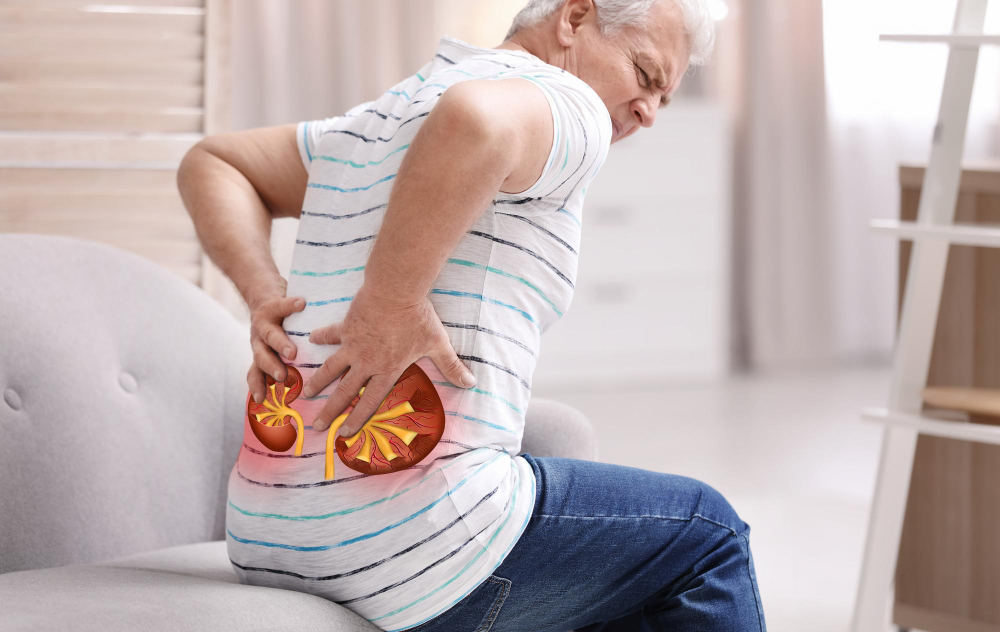
Kidney stones are hard deposits that form inside your kidneys. They can cause pain and other health problems. Many people want to know about kidney stone symptoms, treatment for kidney stones, and ways of preventing kidney stones. In this blog, you will learn what kidney stones are, why they happen, and how to manage them. You will also find tips to keep your kidneys healthy.
What Are Kidney Stones?
Kidney stones are small, hard lumps made of minerals and salts. They form when your urine has too much of certain substances. These substances can stick together and make stones. Sometimes, kidney stones stay in the kidney. Other times, they move into the tubes that carry urine. This can cause pain or block the flow of urine.
Anyone can get kidney stones. However, they are more common in some regions where the weather is hot and people may get dehydrated. According to the CDC, kidney stones affect about 1 in 11 people in the United States.
Common Causes of Kidney Stones
There are several reasons why kidney stones form. Understanding these causes can help you lower your risk. For example, not drinking enough water is a major cause. When you are dehydrated, your urine becomes more concentrated. This makes it easier for stones to form.
In addition, some people have too much calcium or other minerals in their urine. This can also lead to kidney stones.
Symptoms of Kidney Stones
Kidney stone symptoms can vary. Some people do not feel anything if the stone is small. But, when a stone moves or blocks urine flow, symptoms often appear. For instance, you may feel sharp pain in your back or side. The pain can move to your lower belly or groin.
If you notice these symptoms, you should see a doctor. Early treatment can help prevent more problems.
How Kidney Stones Are Diagnosed
Doctors use several methods to find out if you have kidney stones. First, they will ask about your symptoms and health history. Then, they may do a physical exam. Often, tests are needed to confirm the diagnosis.
These tests help your doctor decide the best treatment for kidney stones.
Treatment Options for Kidney Stones
Treatment for kidney stones depends on the size and type of stone. Small stones often pass on their own. In these cases, drinking plenty of water can help. However, larger stones may need more care.
Your doctor will choose the best treatment based on your needs. Sometimes, you may need to stay in the hospital if the stone causes an infection or blocks urine flow.
Prevention Tips for Kidney Stones
Preventing kidney stones is possible for many people. Simple changes can lower your risk. For example, drinking enough water each day is very important. This helps flush out minerals before they form stones.
In some cases, your doctor may suggest special diets or medicines to prevent stones from coming back.
Lifestyle Guidance for Kidney Health
Keeping your kidneys healthy is important for your whole body. Besides preventing kidney stones, good habits can protect your kidneys from other problems. For instance, always stay hydrated, especially in hot weather or after exercise.
With these steps, you can support your kidney health every day.
In summary, kidney stones can be painful but are treatable. Early action and healthy habits make a big difference. Consult a healthcare specialist for personalized advice on kidney stones.